
The practical raised bed guide
Raised Garden Beds: Choose, Build, Fill and Plant
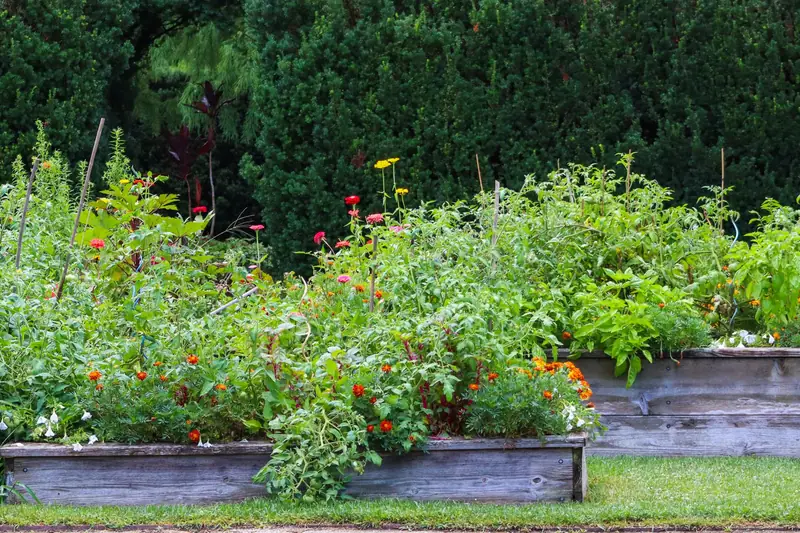
Raised garden beds hold loose, rich soil above the ground, so they drain well, warm early and stay weed-light. Start with a 4x8 bed about 12 inches deep, filled with topsoil and compost.
Raised Gardening Beds is owned by the team behind Thrive Garden, which sells some of the products linked on this page.
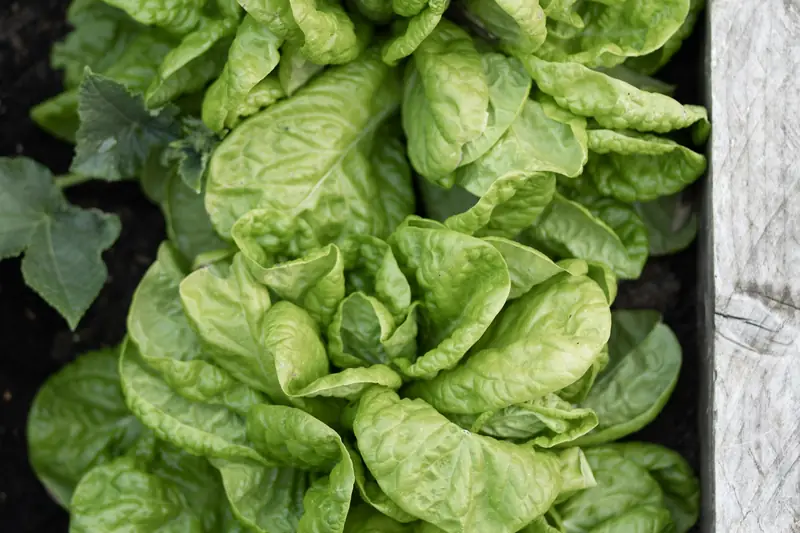
Raised bed basics
- 4 ftBest bed width
- 10–12 inSoil for most vegetables
- 60 / 30 / 10Topsoil, compost, aeration
- 6–8 hrsSun for vegetables
- 1 inWater a week
- 32 cu ftSoil to fill a 4x8 bed, 1 ft deep
Why grow in raised garden beds
A raised garden bed is simply soil held inside a frame, set on top of the ground instead of dug into it. That small change solves several common problems at once. You control what goes into the soil, so heavy clay, rocky ground or a patch of old lawn stops mattering. The soil drains faster after rain and warms up sooner in spring, which lets you plant cool-season crops a week or two earlier in many areas. Because nobody walks on the growing area, the soil stays loose and roots spread easily.
Raised beds also make a garden easier to manage. Weeds are fewer and easier to pull, a 4x8 bed is a size you can plan, water and cover in one go, and a taller bed means less bending. The trade-offs are real but small: beds cost money and time to build and fill, and they dry out faster than ground beds, so watering matters more.
This site is for home gardeners who want straight, practical answers: what to build a bed from, how deep to make it, what to fill it with and what to plant first. Every guide gives you measurements, rough costs and steps rather than vague advice.
Choose your material
The frame decides how long your bed lasts, how it looks and what it costs. No single material is right for everyone, so match it to your budget, your climate and how long you plan to stay put.
For a 4x8 frame, lumber typically runs roughly $50–$100 for untreated pine and $150–$350 for cedar, a ready-made metal bed roughly $100–$250, and one course of concrete block often under $100. Filling a 4x8 bed 12 inches deep (about 1.2 cubic yards) costs roughly $100–$300 in bags or $100–$250 for bulk soil with delivery, and less per bed when one load fills several. Prices vary by region, season and grade, so treat these as planning numbers.
Raised bed materials
Cedar and other wood
Cedar, redwood and cypress resist rot and usually last 10–15 years or more. Untreated pine is cheaper but often lasts only 3–7 years. Compare species in the best wood for raised beds or read the cedar raised bed guide.
Metal and galvanized steel
Galvanized or coated steel beds last roughly 15–20 years or more and arrive ready to bolt together. See metal raised garden beds and galvanized beds for heat, safety and sizing.
Concrete block
Block beds cost little per foot and can last for decades. Read cinder block raised garden beds for layout and what to plant in the block holes.
Elevated and table beds
A bed on legs holds about 8–12 in of soil at waist height, which suits patios and anyone who would rather not kneel. See elevated raised garden beds.
Kits
A kit saves cutting and measuring. Check wall height, panel thickness and hardware before you buy, as covered in raised garden bed kits.
Side by side
Still deciding? Our metal vs wood vs fabric comparison lines up cost, lifespan and upkeep, and the buying guide walks through what to check.
Build your own raised bed
Building a basic wooden bed is one of the easiest outdoor projects you can take on. A simple 4x8 frame needs three 8-ft boards (one cut in half for the ends), four corner posts and a box of exterior screws, and it goes together in an afternoon with a drill and a saw. Use 2x10 or 2x12 boards, or stack two 2x6 rows, to reach 10–12 inches of soil.
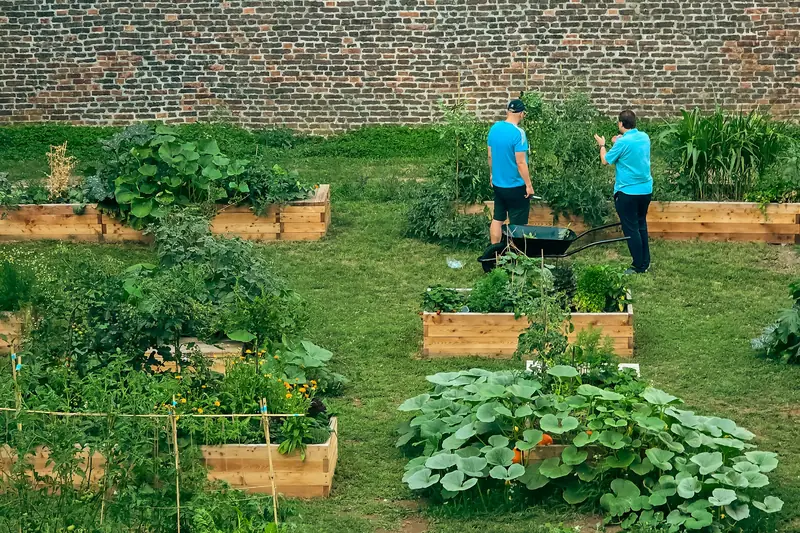
Set the bed where it gets the most sun, level it with a few shovels of soil under the low side, and run beds north to south when you can so each side gets even light. Leave at least 18–24 inches between beds, or about 3 feet if you push a wheelbarrow through.
Build guides
Ideas
Corner beds, keyhole beds, planter boxes and tiered slopes: see what fits your space in raised garden bed ideas, and stretch your budget with cheap raised garden bed ideas.
Plans
Cut lists and dimensions for common sizes are in raised garden bed plans, and layout and spacing shows how to arrange several beds.
Step by step
From picking the spot to the last screw, follow how to build a raised garden bed. If deer visit your yard, add a fence using raised beds with a deer fence.
Fill it right
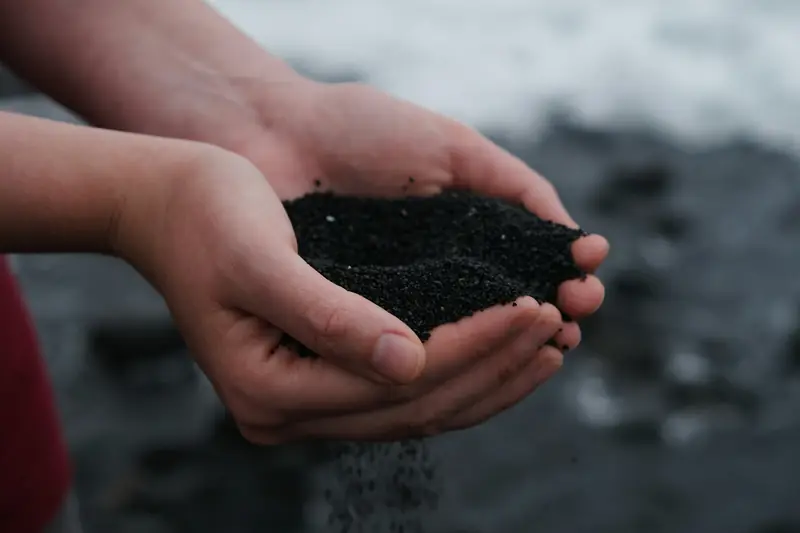
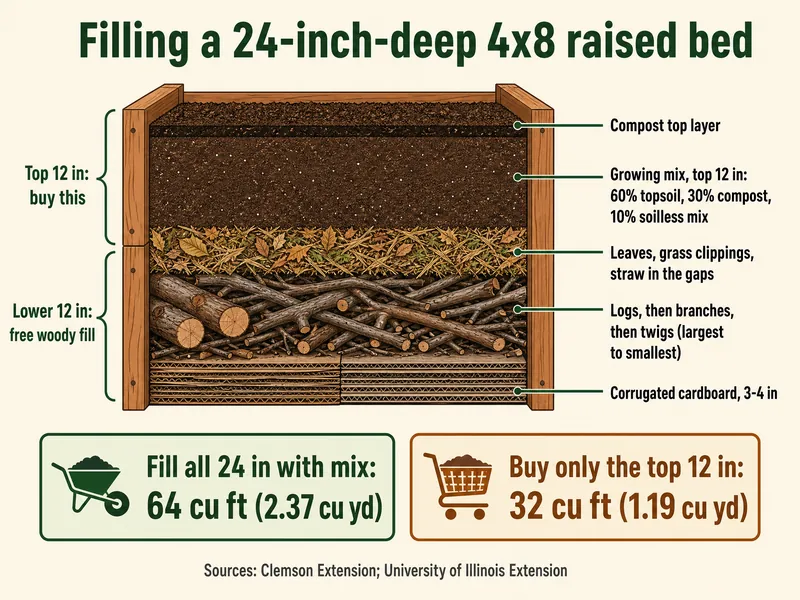
Soil matters more than the frame. Our go-to recipe for a new bed: fill three-fifths with screened topsoil, nearly a third with finished compost, and the remaining tenth with pine bark fines, perlite or pumice to keep air in the root zone. Plain native clay packs down, and straight bagged potting soil is expensive and shrinks fast, so avoid filling a bed with either one alone.
Work out how much you need before you buy: length × width × depth in feet gives cubic feet, and dividing by 27 gives cubic yards. Filling a 4x8 bed to 12 inches takes 32 cubic feet, roughly 1.2 cubic yards. For anything bigger than one or two beds, bulk soil by the yard usually costs less than bags. Expect the soil to settle a few inches in the first season, and top up with 1–2 inches of compost each year.
At the bottom, most beds need no solid floor. Lay cardboard over grass to smother it, and add ½-inch hardware cloth if gophers or voles dig in your area. Skip the gravel layer; rocks at the bottom do not improve drainage.
Soil and setup guides
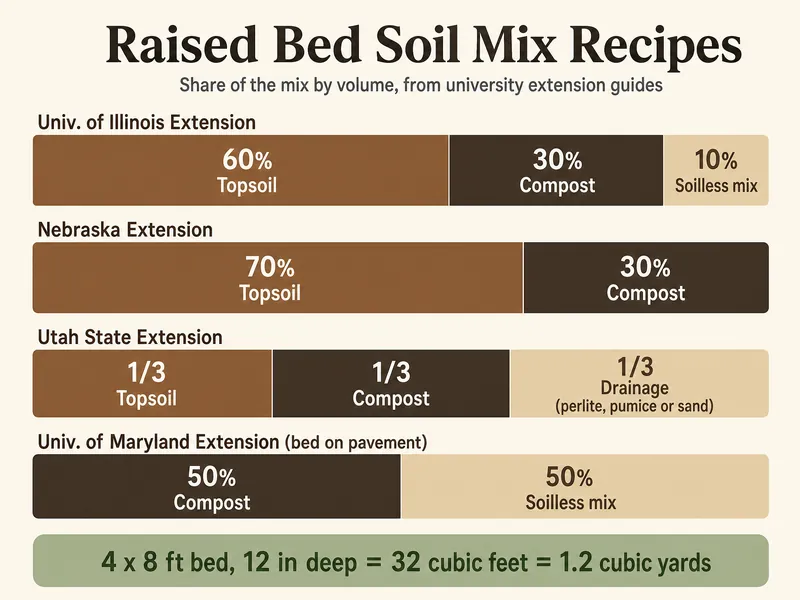 SoilSoil mix recipe
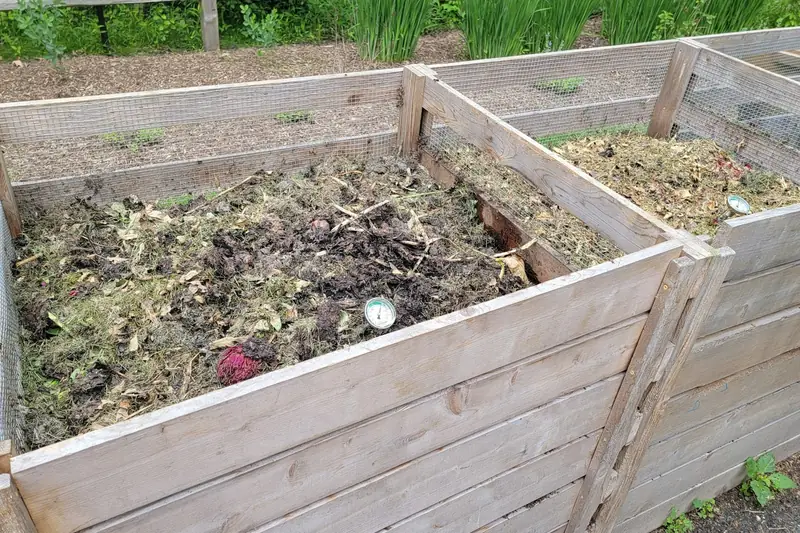
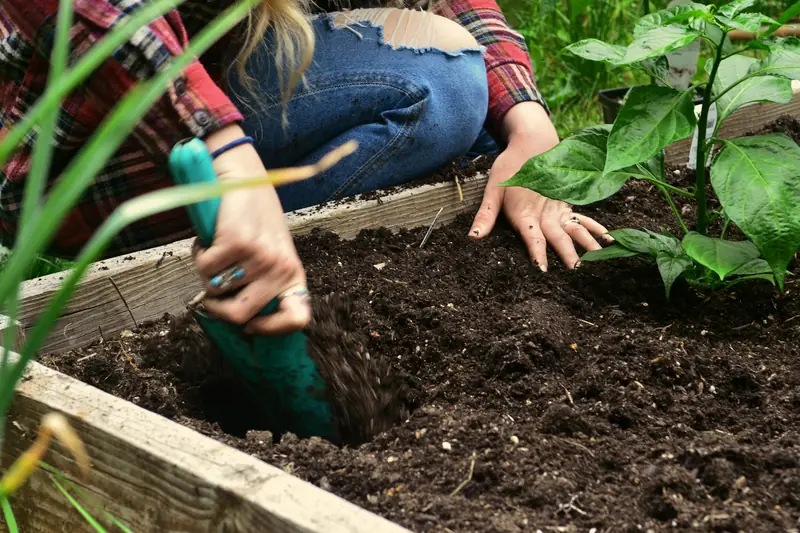 SoilChoosing and adding compost
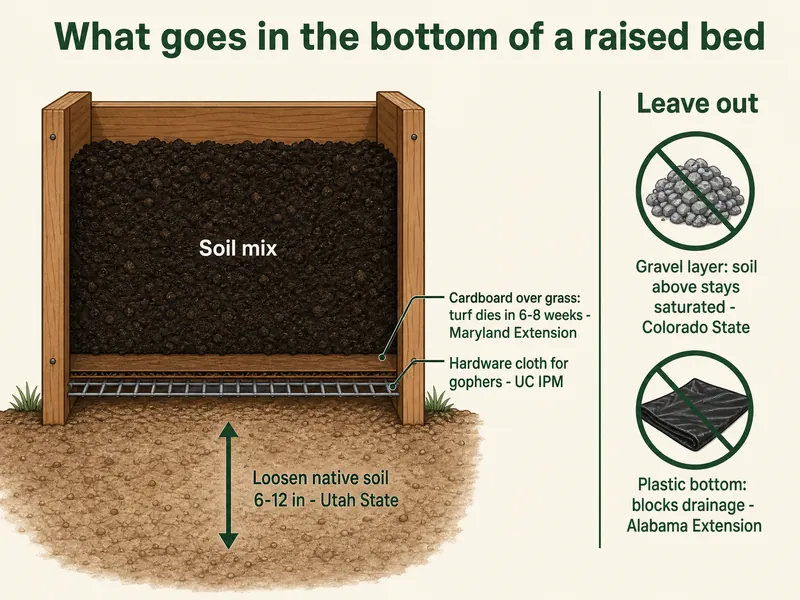 SoilCardboard, logs and liners at the base
 SoilLow-cost ways to fill a bed
 SoilDepth for each type of crop
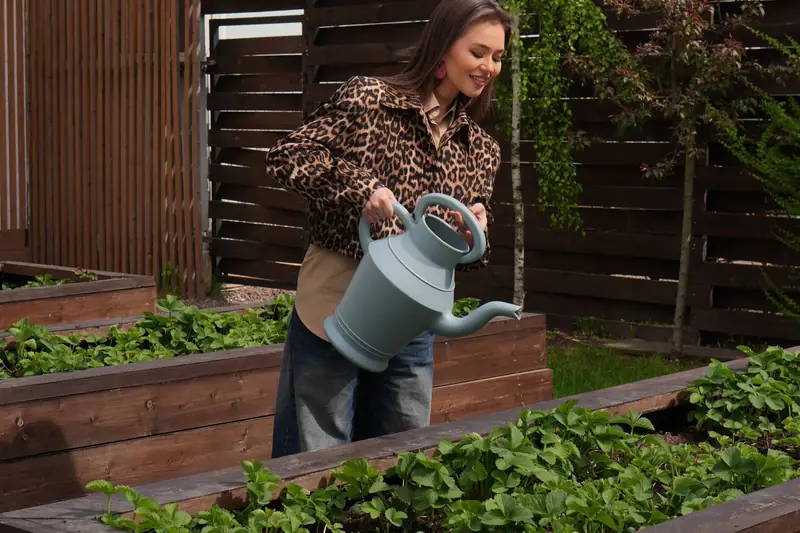 SoilWatering schedules and drip lines
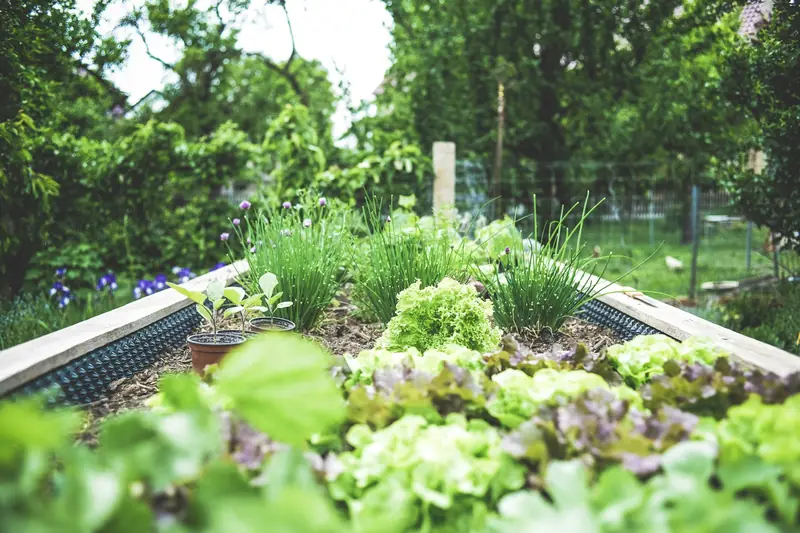
What to grow
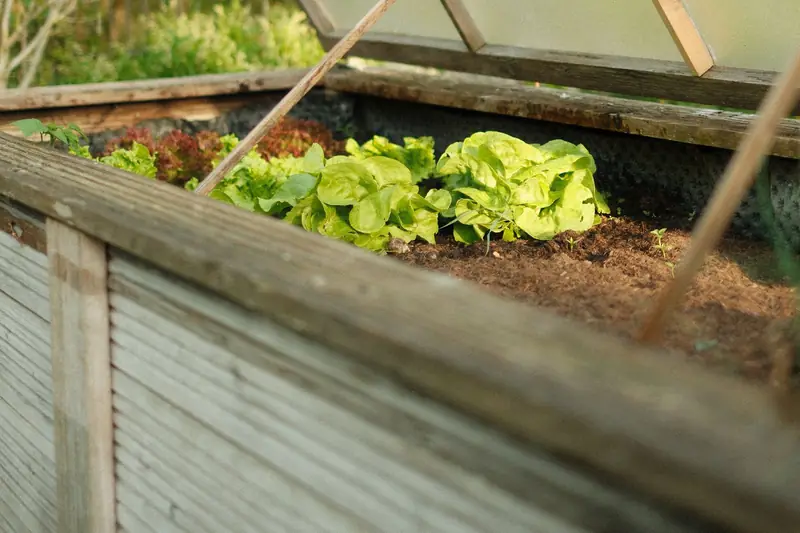
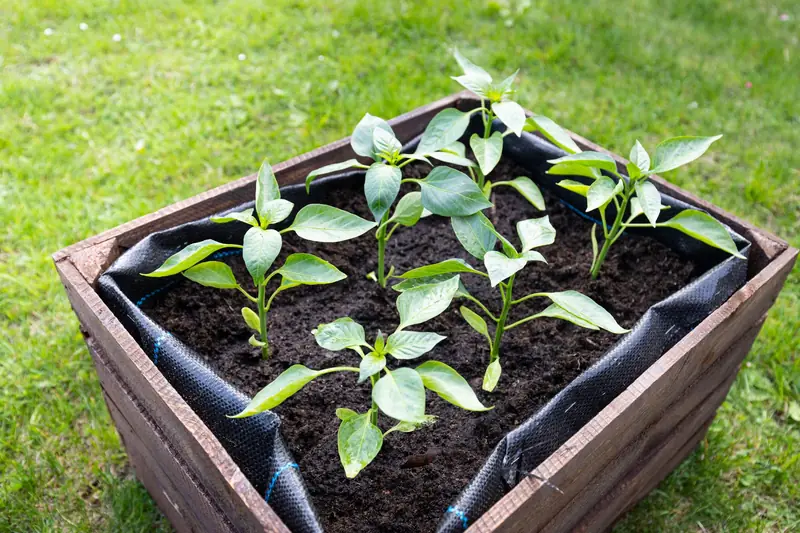
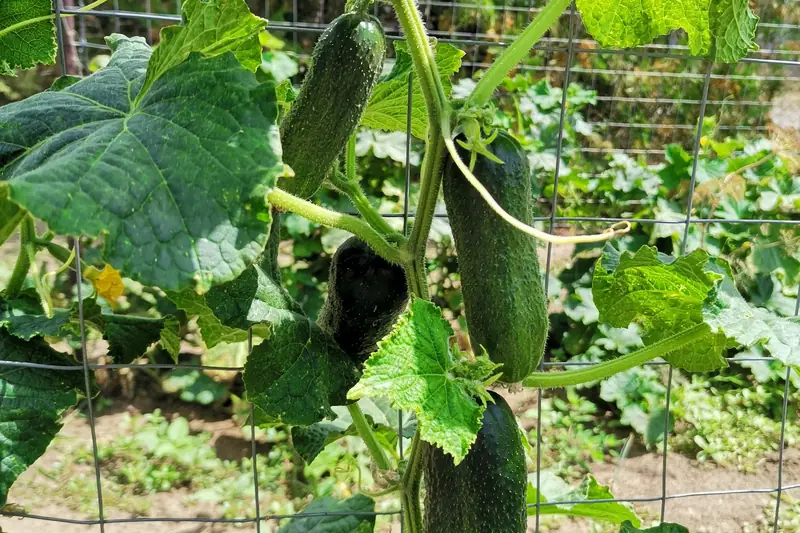
Almost anything that grows in the ground grows better in a raised bed, but some crops make the most of the space. Lettuce, herbs, bush beans and radishes are quick and forgiving, so they make good first crops. Tomatoes, peppers and cucumbers reward a deeper bed and a sturdy support. Most vegetables need 6–8 hours of direct sun, while leafy greens and many herbs manage with 4–6.
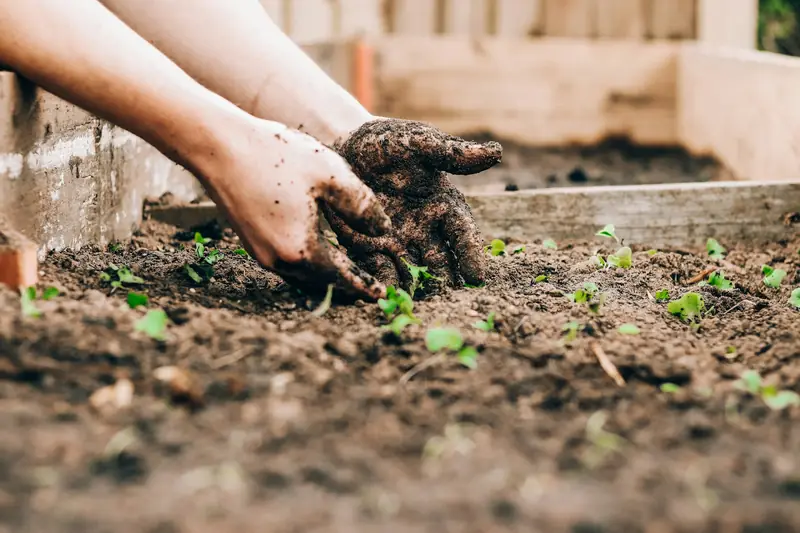
Plant in blocks instead of long rows. In a 4-ft-wide bed you can reach every plant, so you can space crops closer and fit more into the same 32 square feet. Water about an inch a week, more in heat, and mulch 2–3 inches deep to slow drying.
What to plant
Vegetables
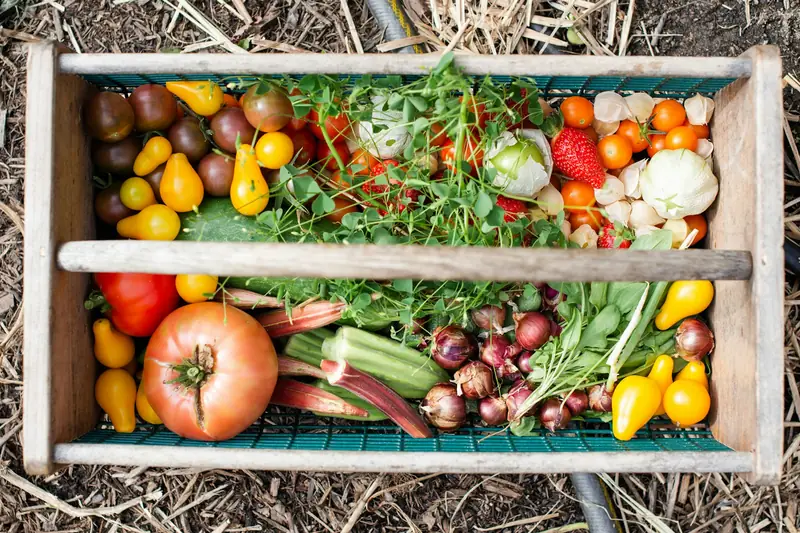
Plan a first season, from spring greens to summer tomatoes, with our planting guide and the vegetable garden starter plan.
Flowers
Cut flowers, pollinator plants and edging ideas are in raised garden beds for flowers.
Crop by crop
Spacing, depth and timing for eight popular crops are listed below.
Crop guides
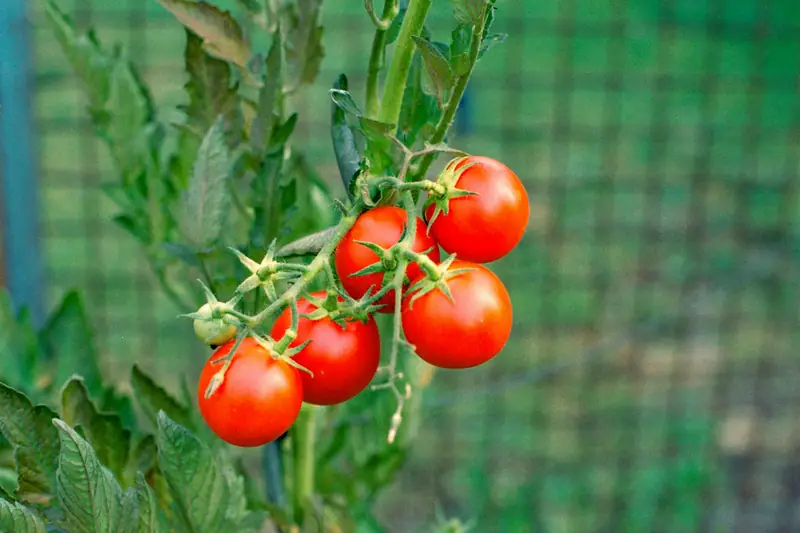 What to PlantTomatoes
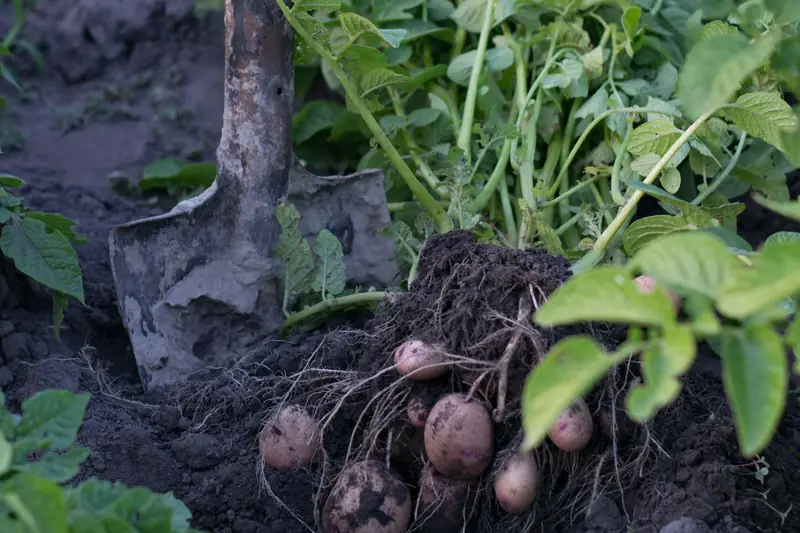 What to PlantPotatoes
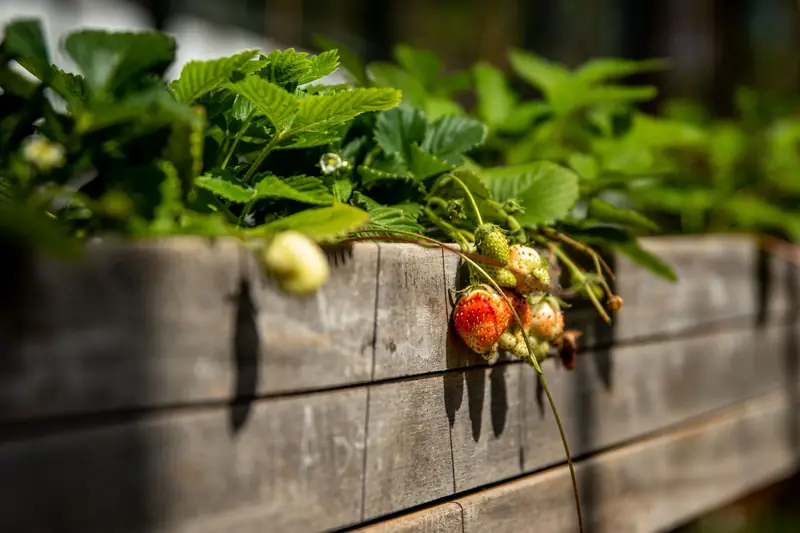 What to PlantStrawberries
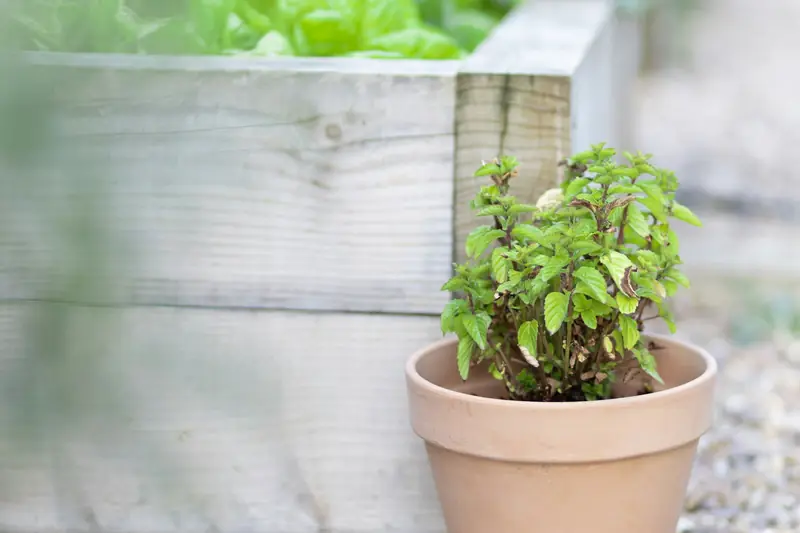 What to PlantHerbs
 What to PlantLettuce
 What to PlantPeppers
 What to PlantCucumbers
 What to PlantGarlic and onions
How we write these guides
Each guide is written and checked by our team of gardeners and editors. You can read more about the people and process on our about page.
Our standards
Measured, not vague
Every guide gives sizes in inches and feet, soil in cubic feet and yards, and timing you can put on a calendar.
Plain costs
Where cost matters, we give realistic ranges for materials and soil so you can plan a budget before you shop.
No paid rankings
Nobody pays to be recommended here. We are owned by the same team as Thrive Garden, and our ownership disclosure explains how we handle that.
Updated dates
Each guide shows when it was last updated, and we revise the advice when better information comes along.
Raised garden bed questions
How much soil depth do plants need?
A foot of soil, or 10 inches at minimum, covers nearly every vegetable. Greens and herbs cope with 6–8 inches over loosened ground; carrots, potatoes and beds on concrete want 18–24 inches.
What is the best material for a raised garden bed?
Cedar looks natural and lasts about 10–15 years. Galvanized steel lasts longer, often 15–20 years or more, and concrete block lasts for decades. The right choice depends on budget, climate and the look you want.
Which soil works best in a raised bed?
Blend screened topsoil, compost and pine bark fines or perlite at about 60/30/10. Equal thirds of topsoil, compost and bark fines also works. Spread 1–2 inches of fresh compost on top every year.
Does a raised bed need a bottom?
Usually not. An open bottom lets water drain and roots reach the ground below. Use cardboard to smother grass, and hardware cloth if gophers or voles are a problem.
What are good first crops?
Start with easy, fast crops: lettuce, radishes, bush beans and herbs. Add tomatoes once nights stay above about 50°F, and peppers once they stay above about 55°F.
What are the downsides of raised garden beds?
They cost more up front, since you pay for a frame plus about 1.2 cubic yards of soil for a 4x8 bed. They also dry out faster than ground beds, so plan on drip lines or more frequent watering in summer. Wooden frames eventually rot, and pine may need rebuilding in 3–7 years.
More answers are on the raised garden bed FAQ, and every guide on the site is listed on all raised bed guides.
Ready to buy?
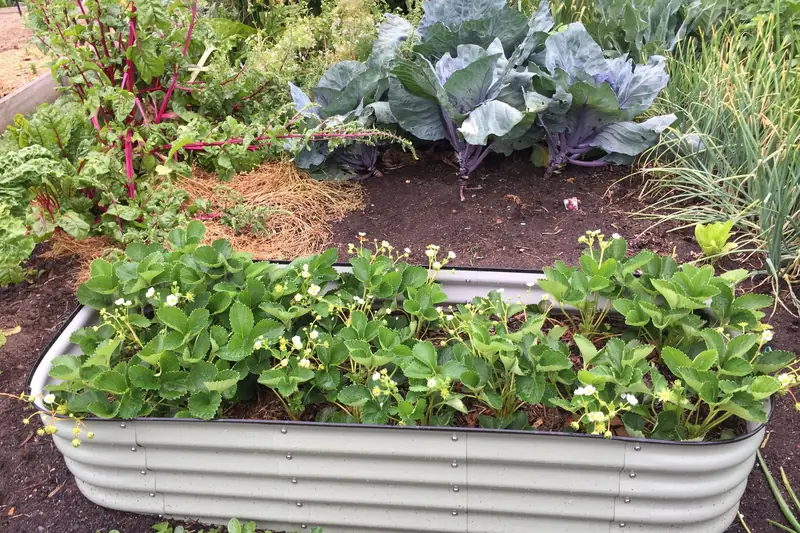
Galvanized and fabric raised beds
Thrive Garden sells galvanized metal raised beds and fabric beds in several sizes.
Shop raised beds at Thrive GardenRaised Gardening Beds is owned by the team behind Thrive Garden, which sells some of the products linked on this page. Disclosure